Why Buy an Akiya? (Abandoned Japanese Home)
Japan has a housing problem that most countries would envy: too many homes and not enough people to live in them. According to the 2023 Housing and Land Survey, there are now roughly 9 million vacant dwellings across the country, about 14% of all housing stock. These empty properties, known as akiya (空き家), range from crumbling shacks in remote mountain villages to solid wooden farmhouses a short train ride from regional cities.
For international buyers, this surplus has created a once-in-a-generation opportunity. Homes that might cost $300,000 or more in most developed countries can be found in Japan for under $30,000, or even free. Whether you want a rural retreat, a renovation project, or a long-term investment, here are seven compelling reasons to consider buying an akiya.
1. Unbeatable Affordability
The headline appeal of akiya is the price. Municipal akiya banks (online databases run by local governments) regularly list homes for ¥0 to a few million yen. That's anywhere from literally free to around $20,000–$30,000 at current exchange rates (~150 yen to the dollar). Even akiya sold through traditional real estate agents tend to be dramatically cheaper than comparable homes in Western countries.
Consider a real-world example: an Australian couple purchased a seven-room traditional home in rural Japan for just $23,000. The house needed work, but the purchase price was less than a year's rent in Sydney. In another case, a Swedish man bought an 86-year-old house in Tokyo's Setagaya Ward, one of the capital's most desirable residential neighborhoods, for $69,000. While that's more than a deep-countryside akiya, it's still astonishingly cheap for a major world capital.
Compare that to median home prices in the US ($400,000), UK (£290,000), or Australia (~AU$800,000), and the math speaks for itself. Even after factoring in renovation costs, an akiya purchase frequently comes in at a fraction of what you'd spend elsewhere. You can browse hundreds of current listings on our homes page to see just how low prices can go.
For more on pricing and what to expect, see our deep dive on buying a house in Japan for $500.
2. Government Incentives Sweeten the Deal
Japan's national and municipal governments are actively trying to get people into empty homes. A shrinking population means abandoned houses drag down neighborhoods, create fire hazards, and cost municipalities tax revenue. The response has been an expanding web of incentive programs.
Many municipalities offer renovation subsidies ranging from ¥1 million to ¥5 million (roughly $6,600–$33,000) to buyers who commit to living in or restoring an akiya. Some towns go further:
- Okutama (western Tokyo) has offered relocation bonuses and subsidies for families with children who move into vacant homes.
- Tottori Prefecture provides renovation grants and even assistance with moving costs for newcomers.
- Nagano Prefecture towns along the Chuo Shinkansen route have rolled out incentive packages to attract young families before the new maglev line arrives.
The national government has also tightened regulations on neglected vacant homes through the Akiya Taisaku Tokubetsu Sochi Ho (Special Measures Act on Vacant Houses), which pressures owners to sell, demolish, or maintain properties. This has pushed more akiya onto the market at lower prices, further benefiting buyers.
Some municipalities even maintain English-language resources or work with bilingual agents to help foreign buyers navigate the process. The trend is clear: local governments want you to buy these homes.
3. Renovation as a Creative Outlet
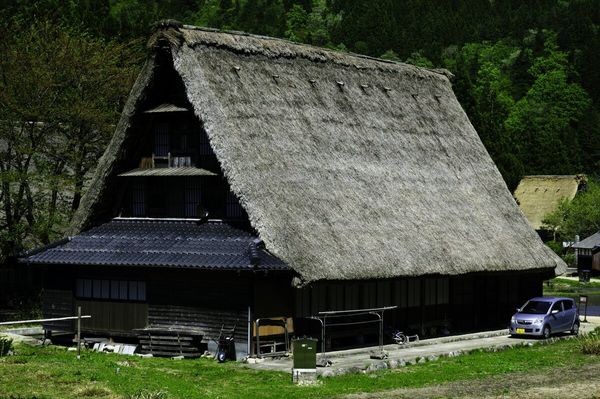
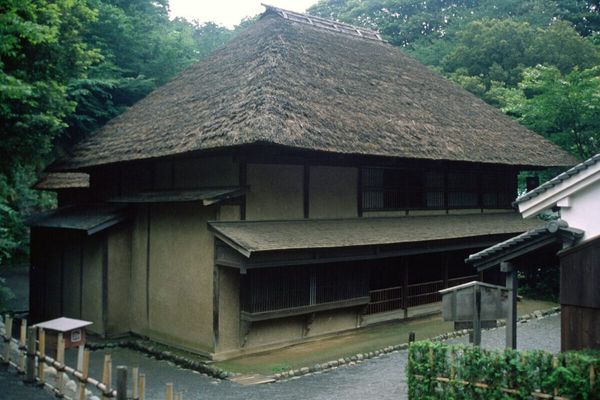
An akiya isn't just a cheap house. It's a blank canvas. Many of these properties are traditional wooden kominka (古民家) with thick cedar beams, tatami rooms, engawa verandas, and sliding fusuma doors. Renovating one lets you blend centuries-old craftsmanship with modern comforts like underfloor heating, updated plumbing, and contemporary kitchens.
The DIY renovation movement has exploded in Japan. YouTube channels like Tokyo Llama document foreigners tackling akiya renovations step by step, demystifying the process and showing that you don't need to be a professional builder to make real progress. Online communities on Reddit and Facebook connect akiya owners with contractors, translators, and fellow renovators.
Renovation costs vary widely. A basic livability upgrade (roof repair, plumbing, electrical, and a modern bathroom) might run ¥2–5 million ($13,000–$33,000) for a modest rural home. A full gut renovation of a large kominka could cost ¥10–15 million ($66,000–$100,000) or more. But even at the high end, the total (purchase + renovation) often stays well under $150,000 for a spacious, character-filled home that would be impossible to replicate in most other countries.
4. A Foothold in Traditional Japanese Culture
Many akiya sit in villages and small towns where traditional customs are still woven into daily life. Seasonal matsuri (festivals), community rice planting, local onsen (hot springs), and neighborhood associations (chonaikai) offer an immersive cultural experience that you simply can't get in a Tokyo high-rise.
Imagine waking up in a 100-year-old farmhouse in the mountains of Niigata, with rice paddies stretching to the horizon and the sound of a temple bell in the distance. Or picture a coastal home in Shimane Prefecture where your neighbors are fishermen who share their morning catch. These aren't fantasy scenarios. They're the everyday reality for akiya buyers who choose to engage with their communities.
For retirees, remote workers, or anyone seeking a slower pace, an akiya in rural Japan offers something increasingly rare in the modern world: a genuine sense of place and belonging. Japan consistently ranks among the safest countries in the world, and rural areas are particularly peaceful, with negligible crime rates.
5. Low Ongoing Costs
One of the lesser-known advantages of rural Japanese property is how cheap it is to own, not just to buy. The fixed asset tax (kotei shisan zei) is calculated at roughly 1.4% of the assessed value, but assessed values for rural akiya are often extremely low. Annual property taxes of ¥15,000–¥45,000 ($100–$300 per year) are common for inexpensive rural homes. Compare that to annual property taxes of $5,000–$15,000 for a modest home in many US states.
Beyond taxes, day-to-day living in rural Japan is affordable. Groceries at local markets, fresh produce from michi-no-eki (roadside stations), and community-supported agriculture programs keep food costs low. Many akiya come with garden plots or small rice paddies, and growing your own vegetables is both a practical money-saver and a deeply satisfying part of rural life.
Healthcare is another advantage. Japan's national health insurance system is accessible to residents and covers 70% of medical costs. Monthly premiums for the National Health Insurance (NHI) plan vary by municipality and income, but are generally far lower than comparable coverage in the US.
6. Investment and Income Potential
Akiya aren't just homes. They can be income-producing assets. Several popular strategies have emerged:
Vacation rentals: Renovated akiya in scenic locations can perform well on platforms like Airbnb and Booking.com, especially near popular hiking areas, ski resorts, or onsen towns. A well-positioned property in Hakuba, the Seto Inland Sea, or the Kumano Kodo pilgrimage route can generate strong seasonal income. Japan updated its minpaku (vacation rental) law in 2018, creating a clear legal framework for short-term rentals.
Long-term rentals: In areas with steady demand (near universities, military bases, or regional employment centers), a renovated akiya can serve as a rental property with yields that far exceed what you'd find in most Western markets, given the low purchase price.
Cafe, guesthouse, or studio conversion: Some buyers have turned akiya into small businesses. A renovated kominka can become a charming cafe, artist's studio, or coworking space, especially in towns actively courting tourism or creative-economy workers.
The weak yen (hovering around 150 to the dollar as of early 2026) means foreign buyers get more house for their money, and any future yen appreciation would boost the dollar-denominated value of their investment.
7. Space, Privacy, and Nature
If you've ever lived in a Japanese city apartment (the famous 1K or 1LDK layouts where you can touch both walls from the center of the room), you know how precious space is. Akiya flip that equation entirely.
Rural akiya commonly offer 100–200 square meters (1,000–2,100 sq ft) of living space, often spread across two stories. Many sit on lots of 300–1,000 square meters or more, with mature gardens, storage buildings, and enough land for serious gardening or small-scale farming. Some properties include adjacent rice paddies or forested hillside.
The natural surroundings are a major draw in their own right. Japan's countryside is spectacularly beautiful: think bamboo groves, mountain streams, terraced rice fields, and ancient cedar forests. Outdoor recreation is everywhere: hiking, fishing, cycling, skiing in winter, and swimming in rivers and the sea in summer. For anyone burned out on city life, an akiya offers a reset that's hard to match.
Challenges and Considerations
It would be dishonest to pretend that buying an akiya is all upside. There are real challenges, and going in with open eyes will save you money and frustration.
Renovation surprises: Older homes can hide expensive problems: termite damage, asbestos insulation, outdated wiring, crumbling foundations, and leaking roofs. Always budget a contingency fund of at least 20–30% above your estimated renovation costs. A professional inspection (kenchiku shi building survey) before purchase is strongly recommended.
Language and bureaucracy: Japanese real estate transactions involve significant paperwork, much of it in Japanese. You'll need a shiho shoshi (judicial scrivener) to handle property registration, and working with a bilingual real estate agent or lawyer is highly advisable for foreign buyers. Our guide on how to buy a house in Japan as a foreigner walks through the full process step by step.
Remote location trade-offs: The cheapest akiya tend to be in the most remote areas, which can mean limited public transportation, few nearby shops or medical facilities, and heavy snowfall in winter. If you don't drive (or can't get a Japanese license), make sure you understand the local transport options before committing.
Inheritance complications: Some akiya have unclear ownership due to Japan's complex inheritance registration system. Multiple heirs may technically co-own a property, and all must agree to a sale. This is a common reason properties sit vacant for years. Ensure the title is clean before signing anything.
No residency from ownership: Buying property in Japan does not grant you a visa or residency status. You'll need to qualify for a visa through other means (work, spouse, business, retirement, etc.) if you plan to live in the home full-time.
Cultural integration: Rural communities can be tight-knit and slow to accept newcomers, whether Japanese or foreign. Participating in local activities, learning basic Japanese, and showing genuine respect for community traditions goes a long way.
Is an Akiya Right for You?
An akiya isn't for everyone. If you want a turnkey home with zero hassle, a brand-new Tokyo apartment is a simpler path. But if you're drawn to the idea of affordable homeownership in one of the world's most fascinating countries, and you see potential where others see an old, empty house, then an akiya could be one of the smartest purchases you ever make.
With over 9 million vacant homes and counting, the supply isn't going away anytime soon. Municipal incentive programs are expanding. The foreign buyer community is growing and increasingly well-connected. And Japan's combination of safety, culture, natural beauty, and infrastructure makes it a remarkably livable country, even in its quieter corners.
Ready to start looking? Browse current listings at CheapJapanHomes.com, read our guide on how to buy a house in Japan as a foreigner, or explore our overview of Japan's akiya phenomenon to learn more about what's out there.