How Much Does It Cost to Renovate an Akiya?
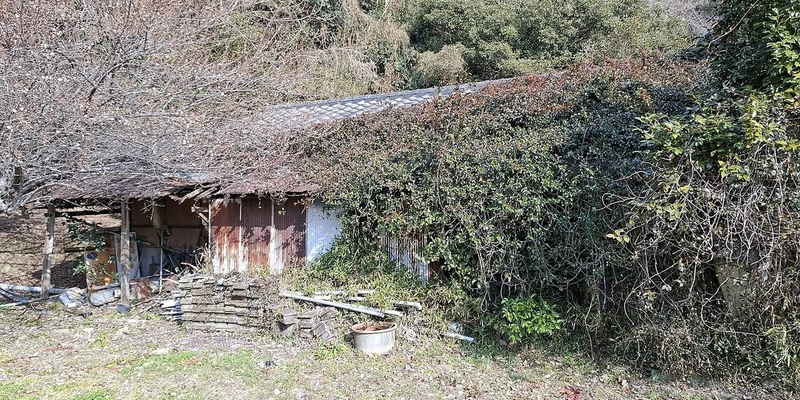
Here's the thing every serious akiya buyer needs to internalize: for most vacant Japanese homes, renovation, not the purchase price, is the real cost. A house can be free or a few thousand dollars, then need many times that to become comfortable. That's not a reason to walk away; it's a reason to budget honestly. Here's what to expect.
The rough ranges
Costs vary enormously with the home's condition, size, location, and how much you do yourself, but as broad guidance:
- Cosmetic refresh (cleaning, paint, tatami, fixtures, minor repairs): roughly ¥1–3 million ($7,000–$20,000). For a structurally-sound home that's just dated.
- Mid-level renovation (kitchen, bathroom, some plumbing/electrical, flooring): roughly ¥3–10 million ($20,000–$65,000).
- Full restoration (structural work, roof, foundation, full rewire/replumb, insulation, possibly earthquake reinforcement): ¥10–20 million+ ($65,000–$130,000+), sometimes more than a new build.
A common pattern: a ¥1,000,000 farmhouse that needs ¥5–10M of work. Overruns of 20–30% beyond the initial estimate are normal, so build in a contingency.
Where the money goes (the usual culprits)
- Roof & rain damage: the #1 akiya money pit. Years of neglect often mean a compromised roof and water damage beneath it.
- Foundation & termites: older wooden homes may need structural attention; have it inspected.
- Plumbing & electrical: frequently need full replacement to modern standards.
- Insulation & heating: older Japanese homes are notoriously cold; retrofitting insulation is a big comfort upgrade and a big line item.
- Earthquake reinforcement (耐震): homes built before the 1981 seismic code (新耐震) may need reinforcement; this matters for safety and resale.
- Bringing in utilities: a long-vacant rural home may need water, sewage/septic, or gas reconnected or installed.
What can lower the cost
- Municipal renovation subsidies: many towns offer ¥1–5 million in grants to people who restore and live in an akiya. Check the local government's program before you buy.
- DIY: Japan has a thriving akiya-renovation community; sweat equity meaningfully cuts costs if you have the time and skills.
- Buying the least derelict home you can: a slightly pricier but solid house often costs far less all-in than a "free" wreck.
Budget the home and the renovation together
The discipline that separates happy akiya owners from regretful ones: add the realistic renovation estimate to the purchase price before you commit, and get a contractor's assessment early, ideally before closing. A house is only a bargain if the total is a bargain.
Cost ranges are general guidance, not quotes. Get an on-site assessment from a local builder (工務店) for any specific property, and factor it into your total cost of ownership.
The good news
Even with a serious renovation, akiya buyers routinely end up with a characterful home for a fraction of comparable property in their home country, and the restored result is often spectacular. Browse homes by region or budget, and when you find a candidate, our bilingual team can help you assess it and buy it before you commit to the renovation.